Integrating home additions into your property can vastly improve both its usability and financial value, benefiting families in transition or those pursuing new hobbies. The process includes expanding your current structure, whether by adding an extension or building entirely new sections. Such modifications not only enhance property value but also change the way you utilize your home.
The selection of a reputable contractor for home additions is vital. Finding local expertise guarantees quality construction and responsive communication, which contributes to a seamless project experience. Understanding what lies ahead will help homeowners make educated decisions and grow their confidence during the remodeling process the official site.
Steps Involved in the Home Addition Process
- Define your goals: Identify the purpose of your addition, such as extra bedrooms or increased living space, to guide the design process effectively.
- Research local zoning laws: Investigate regulations governing home expansions in your area to ensure compliance and avoid legal complications.
- Draft a budget: Create a detailed budget covering materials, labor, permits, and utility connections to account for all necessary expenditures.
- Gather design ideas: Collect inspiration from various sources, including magazines, online platforms, or even other homes, to clarify your vision.
- Meet potential contractors: Reach out to contractors whose work aligns with your vision. Discuss ideas, ask for portfolios, and review customer feedback to gauge their qualifications.
- Finalize and initiate construction: Once you’ve selected your contractor, finalize the plans, sign contracts, and prepare for the construction process, keeping open communication with your builder throughout.
The Benefits of Home Additions
Opting for home additions can offer countless advantages. Firstly, by creating extra space, families have the opportunity to stay in their treasured homes rather than facing the daunting costs and pressures that accompany moving. Whether it involves building a new bedroom, extending a kitchen, or designing a deck for outdoor fun, additional areas can improve both comfort and utility, catering to the shifting needs of family life.
Moreover, home additions can significantly boost the property’s market value. Purposefully designed expansions, especially when performed by qualified contractors, can appeal to interested buyers if you choose to sell your home later. Features like multiple bathrooms or large kitchens are often in high demand, making your property more attractive in a tight market. Displaying a well-executed addition can serve as an enticing selling point for prospective purchasers.
Overall, these improvements can enhance the living experience tremendously. Whether incorporating a small bump-out for more seating or a large and functional kitchen where families can easily gather, such changes promote stronger connections and unforgettable experiences. For anyone considering a project, a range of insights and information is available.
Selecting the Best Contractor for Your Home Addition
Finding a skilled contractor is frequently the most critical phase in executing a home addition. Start by conducting thorough research on local professionals celebrated for their renovation expertise. Seek out contractors who focus on the specific type of addition you intend to build, and have been endorsed by prior clients through reviews or recommendations. Engaging in face-to-face meetings allows you to assess their comprehension of your ideas, proficiency in communication, and overall work ethic.
Reviewing previous work is essential for evaluating potential contractors. A robust portfolio showcasing their past projects not only demonstrates their ability but also provides insights into their design preferences and quality of work. Schedule consultations with a few selected contractors, giving you a chance to compare their feedback and proposals. Be forthright about your budget—clear discussions about financial constraints ensure both parties have similar expectations. Be sure that the contractual agreement precisely delineates the responsibilities regarding timelines and financing structures.
The Financial Aspects of Home Additions
Grasping the financial implications of home additions is essential for proper budgeting. The overall cost of the project typically copyrights on various factors, including size, design complexity, geographical location, and the selection of materials. On average, homeowners should expect expenditures ranging from around $20,000 for smaller extensions to upwards of $100,000 for larger projects or those featuring luxury finishes. Additionally, labor expenses can vary greatly based on local market demands and the expertise of the contractors involved.
To gain a more precise estimate, it's advisable to seek multiple quotes from reliable contractors. This approach not only clarifies potential costs but also opens the door to a multitude of ideas and suggestions from various professionals. Keep in mind the possibility of unexpected complications during the construction process, which could lead to higher costs. Therefore, it is wise to set aside a contingency budget of 10-20% to cover any surprise expenses. Understanding the necessary permits and zoning laws further aids in avoiding delays and extra costs, paving the way for a smoother building experience.
For in-depth information on the topic, visiting a website such as home addition is encouraged. It provides an extensive overview of the procedure, types of expansions, and valuable practical advice.
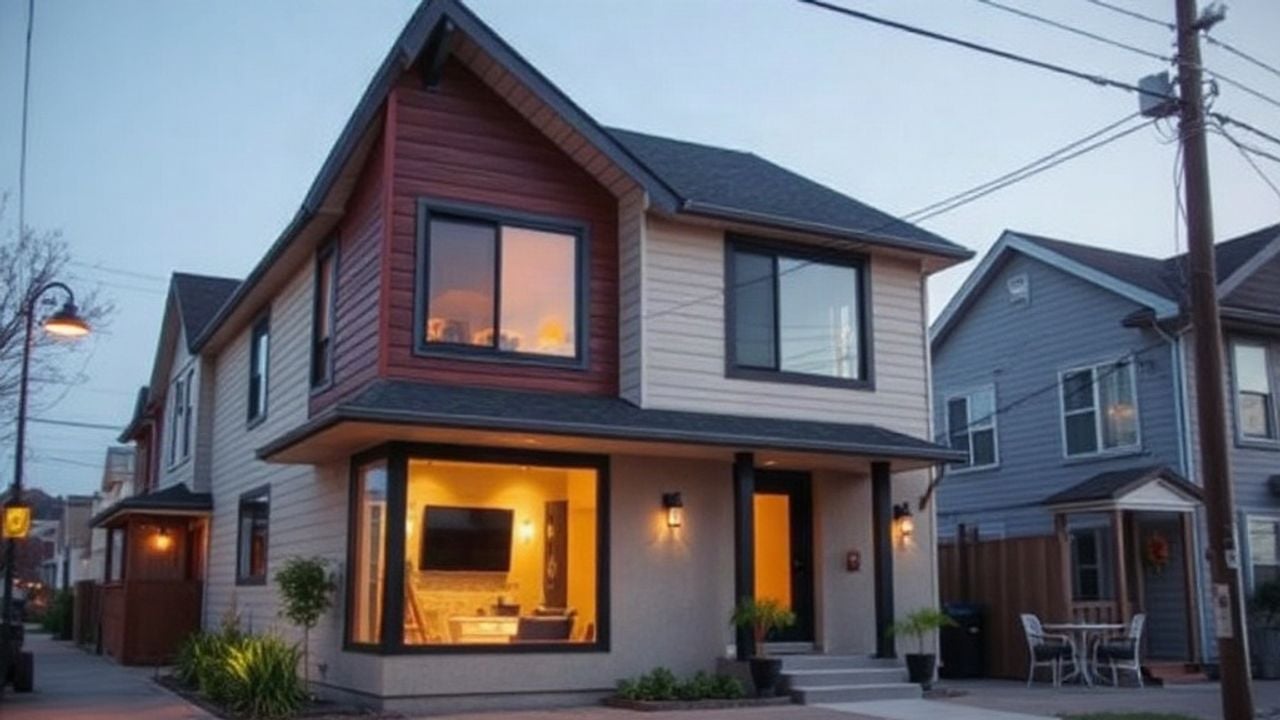 fort wayne best Home Additionskitchen remodeling contractor near me
Common Questions
What do Home Additions entail?
Home additions are about expanding the existing structure of a house, which may include creating new rooms or reconfiguring spaces to boost the overall functionality and accessibility of the home.
What factors should I consider when choosing a Home Additions provider?
When selecting a contractor for home additions, it's essential to look for local professionals with proven experience, examine their previous work through portfolios, and conduct interviews to ensure they align with your vision and possess the necessary skills.
What is the typical cost of Home Additions?
Home addition costs can differ greatly based on various factors, most commonly size and complexity, generally ranging from $20,000 to over $100,000, depending on the specifics of the project.
Taking on a home addition project has the potential to greatly enhance your living conditions and boost your property’s market value. With careful planning and the assistance of skilled professionals, this endeavor can prove to be both gratifying and worthwhile. It’s essential to clearly outline your goals and choose the best contractor for the job.
A well-executed addition can significantly elevate your home's value, improve its functionality, and enhance your family's overall quality of life. Explore the options available and maximize your living space.